India is only country on the earth that has preserved all its traditions years after years, inspite of many disruptions. Indian theatre is one of the most ancient forms of theatre.
It features a detailed textual, sculptural, and dramatic effects which emerged in mid first millennium BC.
Indian Drama
Like in the areas of music and dance, the Indian theatre is also defined by the dramatic performance
defined by the dramatic performance defined by the concept of Natya, which is a Sanskrit word for drama but encompasses
dramatic narrative, virtuosic dance and music.
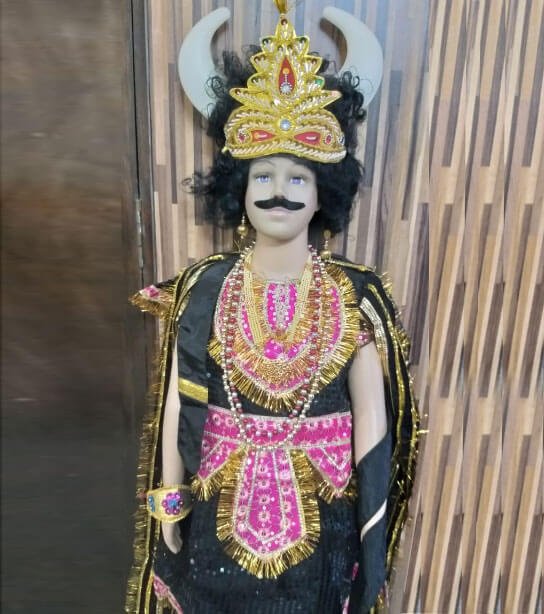
Action of Mahisasura the moment before his death by Goddess Durga.
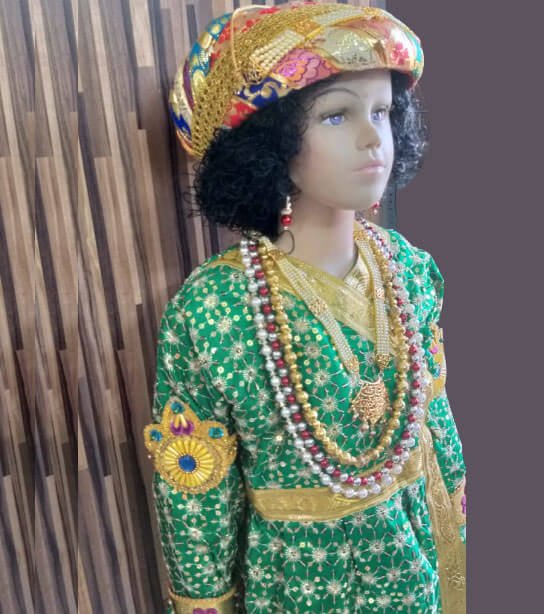
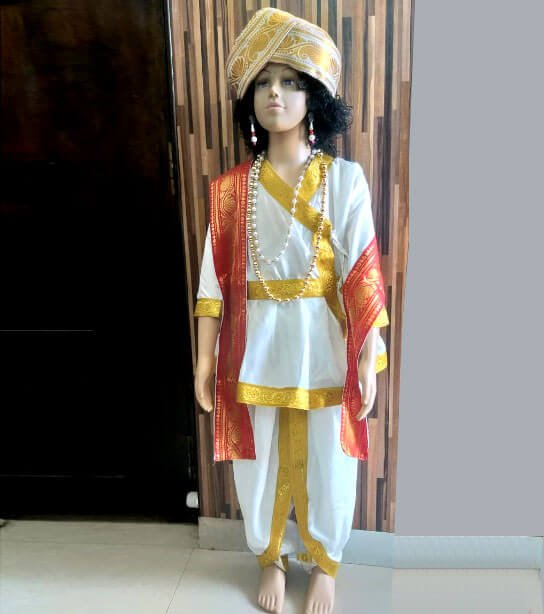
King Akbar’s battle preparation at the age of 14.
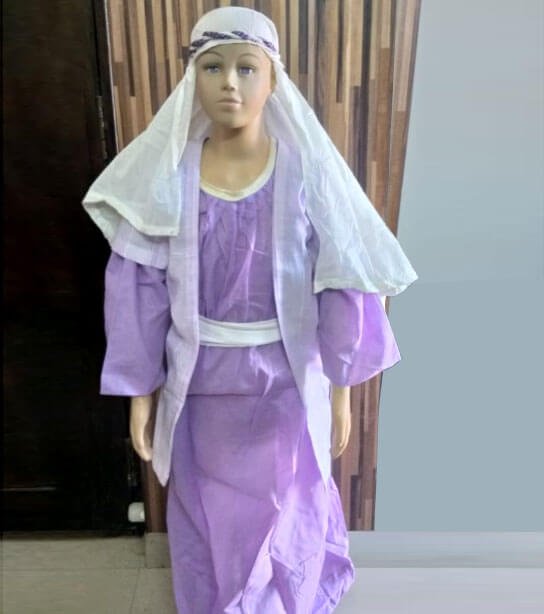
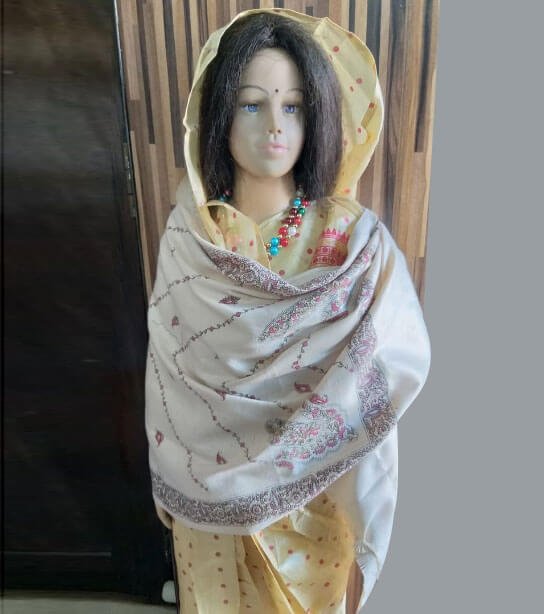
Story of Jesus as a Shepherd boy from Wisdom Drama.
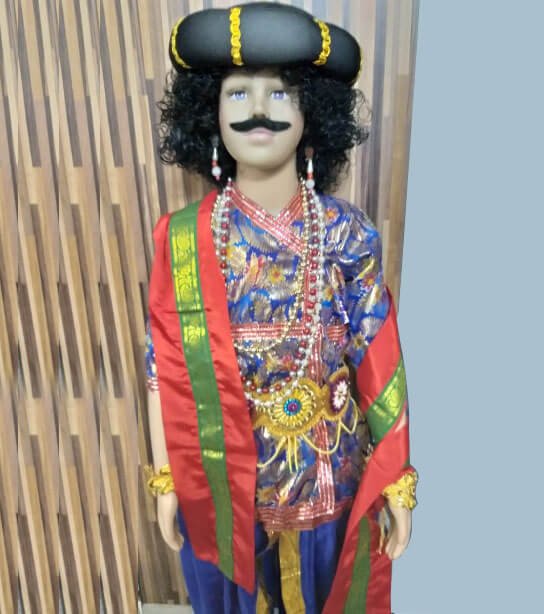
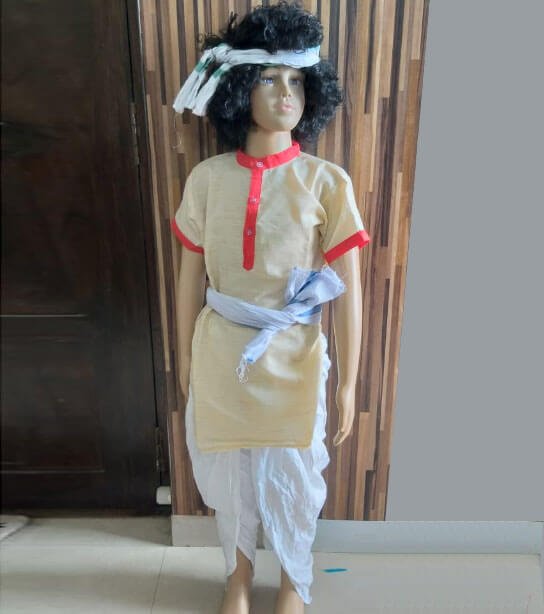
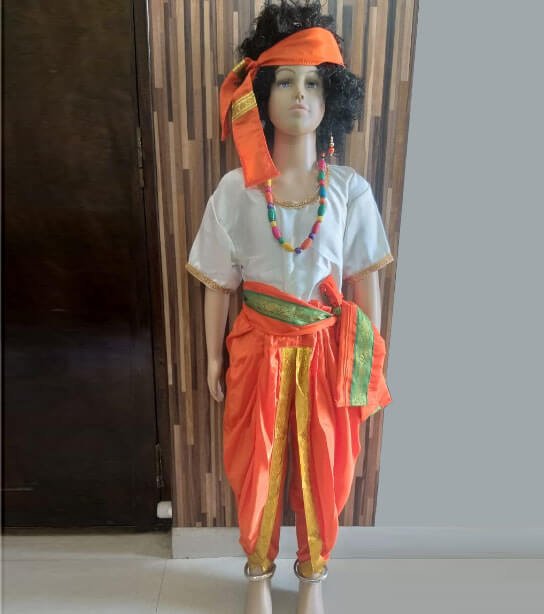
King Akbar’s battle preparation at the age of 14.Story of Tantya Tope about his fighting for India’s freedom struggle as a rebel General.
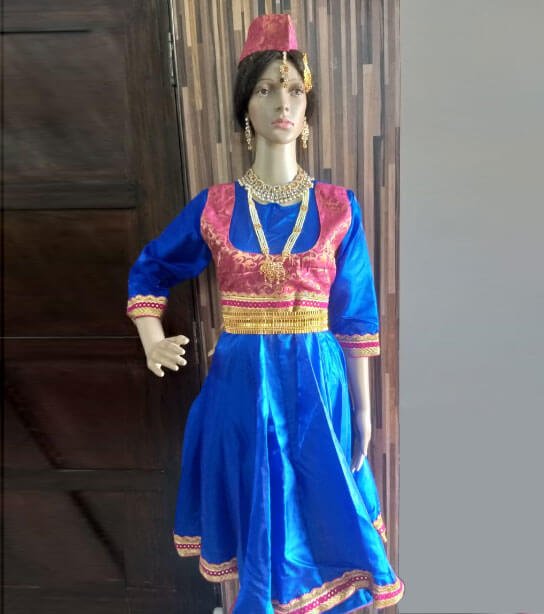
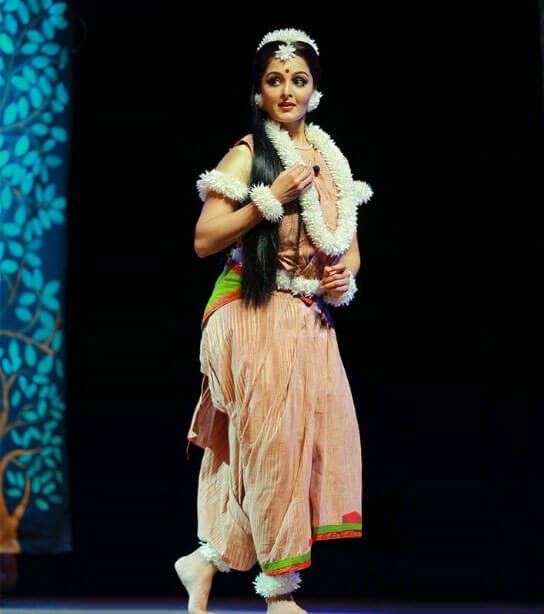
Kathak is indigenous to northern India and developed under the influence of both Hindu and Muslim cultures. Kathak is characterized by intricate footwork and precise rhythmic patterns that the dancer articulates by controlling about 100 ankle bells.
A farmer is a person engaged in agriculture, raising living organisms for food or raw materials.
The word comes from the Latin femella, meaning “young woman, girl,” which in turn is based on femina, meaning “woman.”
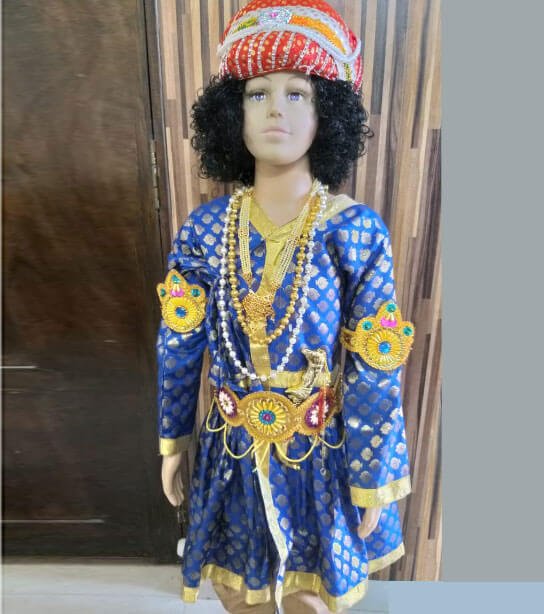
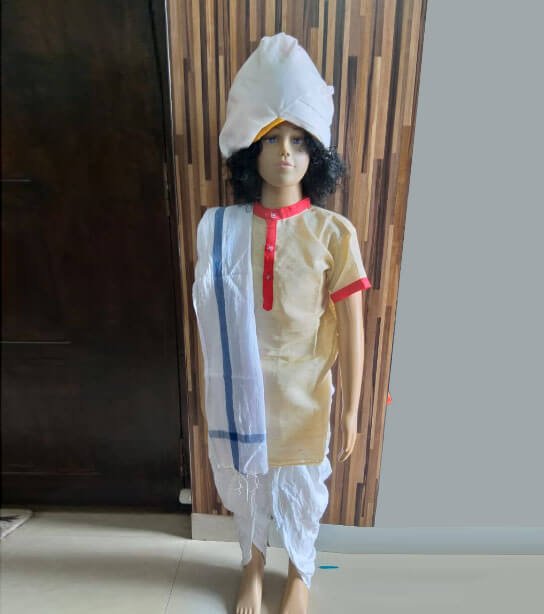
Noble is someone who has high morals and ideals or people who are royalty or who have good breeding.
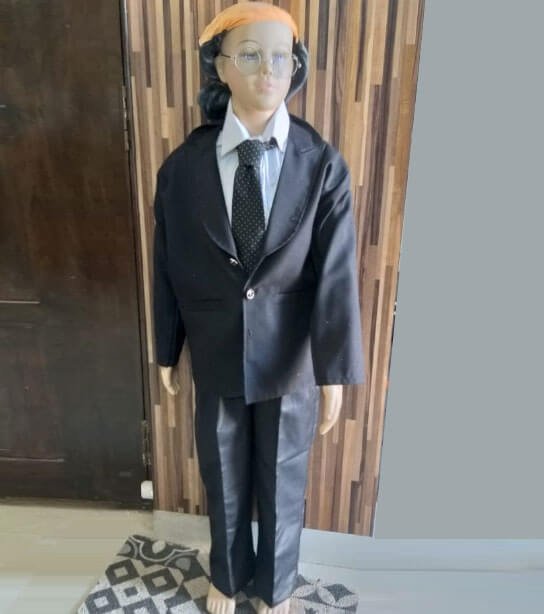
A minister is a politician who heads a ministry, making and implementing decisions on policies in conjunction with the other ministers.
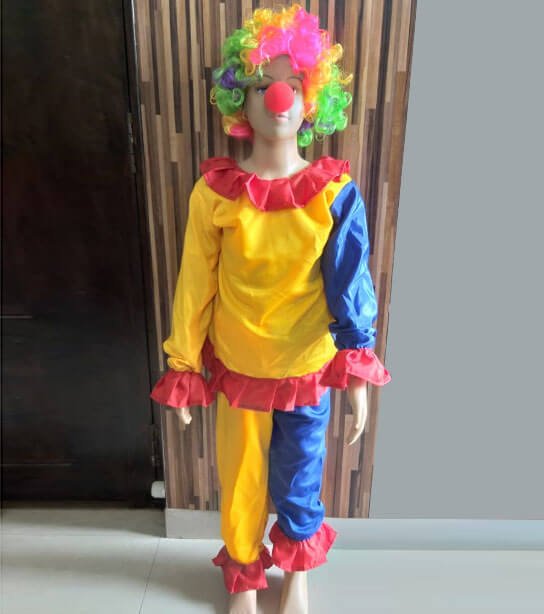
A clown is a person who wears a unique makeup-face and flamboyant costume, performing comedy in a state of open-mindedness all while using physical comedy.
A person responsible for controlling or administering an organization or group of staff.
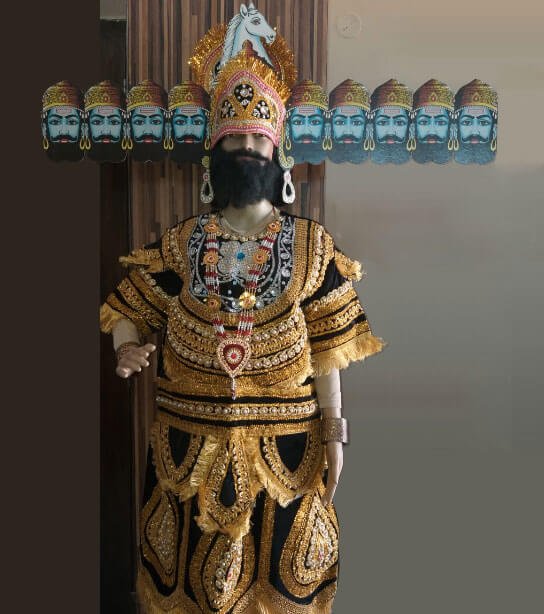
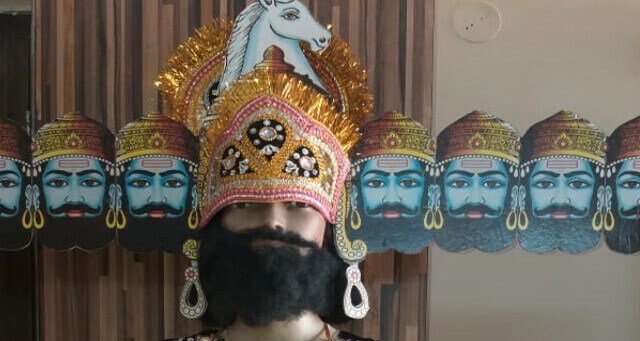
Ravana was a demon king of the island Lanka and the chief antagonist in the Hindu epic Ramayana and its adaptations.
Shiv & Parvati are two mythological Gods of hinduism.
One of the jewels in akbars court.
A priest is a religious leader authorized to perform the sacred rituals of a religion, especially as a mediatory agent between humans and one or more deities.
Pradhan is elected by the village-level constitutional body of local self-government called the Panchayat
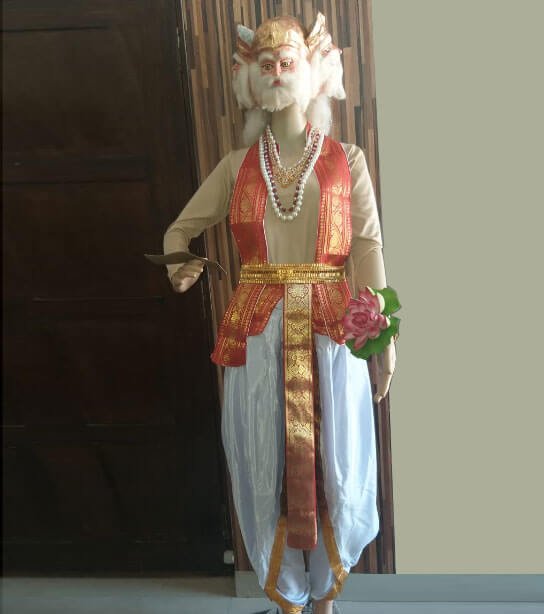
Brahma, one of the major gods of Hinduism from about 500 bce to 500 ce, who was gradually eclipsed by Vishnu, Shiva, and the great Goddess.
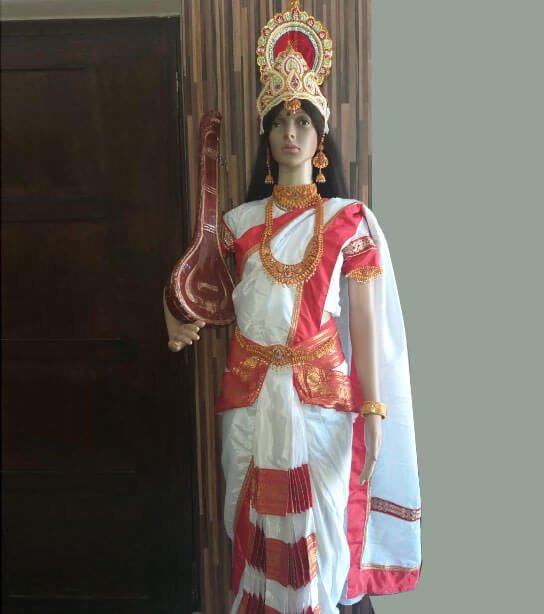
Saraswati is the goddess of wisdom, learning, arts, and career in Hinduism.
Durga also called the Mother Goddess; Goddess of Preservation, Power, Energy, Strength and Protection.
Devi Sita is a well known Hindu Goddess acknowledged for her courage, purity, dedication, loyalty, and sacrifice.
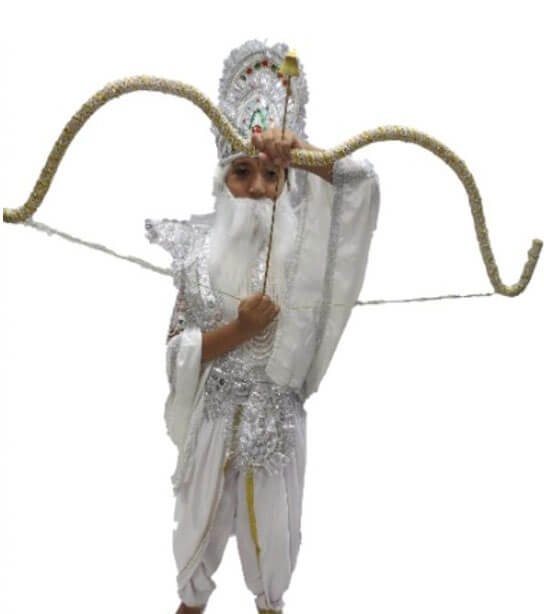
Bhishma, also known as Pitamaha, Gangaputra and Devavrata, was a statesman of Kuru Kingdom and one of the most powerful warriors in the Hindu epic Mahabharata.
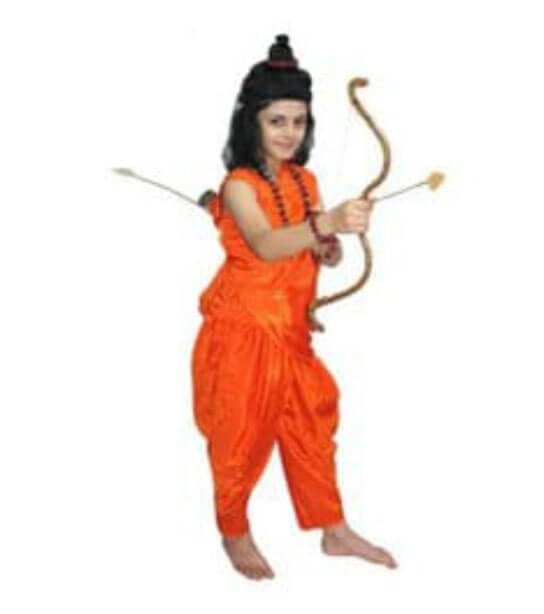
Lord Ram is the seventh and one of the most popular avatars of the lord Vishnu. In Rama-centric traditions of Hinduism, he is considered the Supreme Being